

Navigating Success: How Managed IT Services Transform Businesses in the Digital Age
Unlock business potential with Managed IT Services – expert solutions for digital transformation, enhanced cybersecurity, and optimized efficiency.
In this guide
What to watch for
Use the article to identify repeat work, handoff gaps and places where one source of truth would help.
In this article
In the ever-evolving digital landscape, businesses are increasingly reliant on technology to drive growth and innovation. Managed IT Services have emerged as a transformative solution, offering businesses the expertise, support, and infrastructure needed to navigate the complexities of the digital age. In this comprehensive blog post, we’ll delve into the world of Managed IT Services, exploring their role in enhancing efficiency, optimizing operations, ensuring cybersecurity, and propelling businesses toward sustainable success.
Unveiling Managed IT Services: A Partnership for Success
Managed IT Services represent a strategic partnership between businesses and IT experts. These services provide proactive support, continuous monitoring, and tailored solutions to address evolving technology needs, ensuring operational efficiency and seamless business growth.
Fueling Digital Transformation: Innovation in Action
Explore how Managed IT Services act as a catalyst for digital transformation. By leveraging cutting-edge technologies and strategic planning, businesses can streamline processes, enhance customer experiences, and gain a competitive edge in the rapidly evolving digital landscape.
Cybersecurity Safeguard: Protecting Your Digital Assets
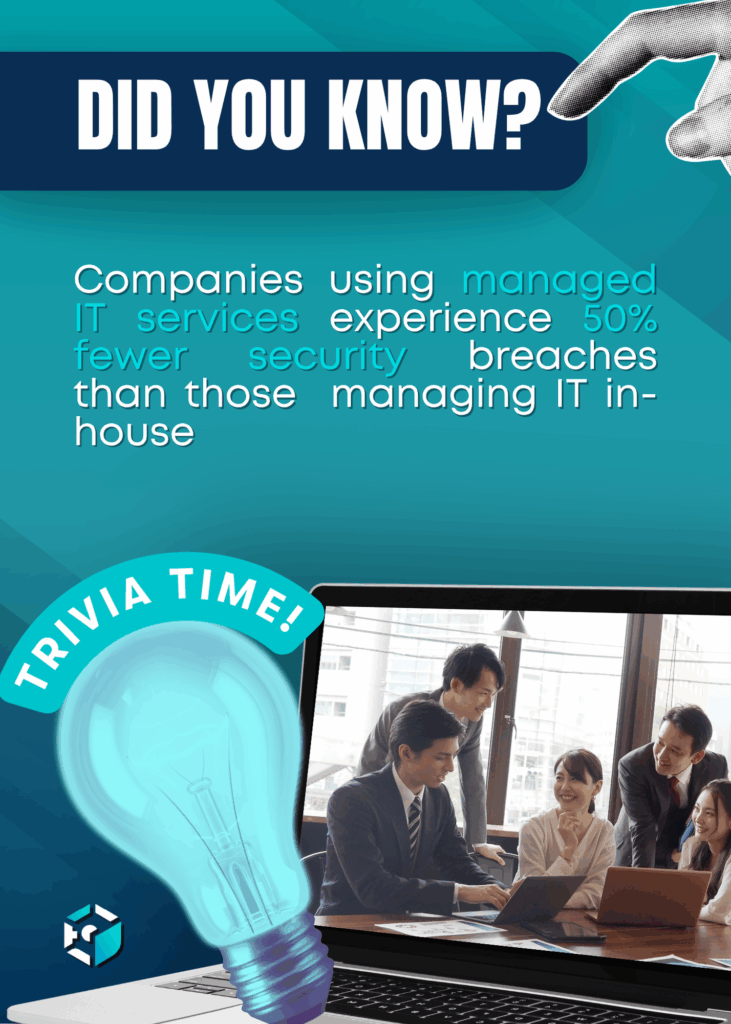
In an era marked by cyber threats, Managed IT Services play a pivotal role in cybersecurity. These services implement robust security measures, conduct regular audits, and ensure compliance to safeguard sensitive data, mitigate risks, and maintain business continuity.
Strategic IT Planning: Tailored Solutions for Business Growth
Managed IT Services align technology strategies with business objectives. These services offer customized solutions, scalable resources, and strategic planning to support business growth and long-term success.
24/7 Support: Your IT Partner Around the Clock
Businesses can rely on Managed IT Services for round-the-clock support. With a dedicated team continuously monitoring, troubleshooting, and resolving issues, organizations can maintain seamless operations and minimize downtime.
In the digital age, embracing Managed IT Services is not just a choice; it’s a necessity for sustainable success. These services empower businesses to navigate the complex technological landscape with confidence, driving digital transformation, ensuring cybersecurity, and optimizing efficiency. By partnering with Managed IT experts, businesses can focus on their core competencies while leveraging the expertise of professionals dedicated to propelling them toward a future of innovation, resilience, and growth.
“The advance of technology is based on making it fit in so that you don’t really even notice it, so it’s part of everyday life.”
Bill Gates
Co-founder of Microsoft
Technology decision context
Use "Navigating Success: How Managed IT Services Transform Businesses in the Digital Age" to make a better systems decision
Technology articles are most useful when they help the team decide what to change next. Focus on the process problem first, then choose the tool or integration that removes the most repeated work.
Part 1Start from the workflow, not the tool
A system change should solve a visible operational problem. Map who creates data, who reviews it and who depends on the result.
- Identify repeated encoding, manual exports and duplicate records
- Find handoffs that rely on reminders instead of system status
- Separate must-have controls from nice-to-have interface features
Part 2Integration details to check
A useful system should reduce context switching and make data easier to trust across teams.
- Which records need one source of truth?
- Which reports depend on data from more than one department?
- What permissions, audit logs and backups are required?
Part 3How to judge success
A better technology setup should improve speed, reliability and confidence in decisions.
- Fewer manual workarounds after rollout
- Shorter time from request to approval or report
- Clear ownership when something is missing or incorrect
Chelsea Cuevas
Content & Marketing Associate
Covers business growth, HR best practices, and the technology behind modern operations.