

The Key to Success: Building a Robust Network Infrastructure
In today’s digitally-driven world, a strong and dependable network infrastructure is crucial for businesses seeking success.
In this guide
What to watch for
Use the article to identify repeat work, handoff gaps and places where one source of truth would help.

In this article
I
In today’s digitally-driven world, a strong and dependable network infrastructure is crucial for businesses seeking success. At BytesCrafter, we understand the significance of a well-designed and secure network in enabling seamless communication, efficient data transfer, and collaboration. In this blog, we will explore the essential elements of a robust network infrastructure and provide valuable insights to help businesses build a network that optimizes performance, enhances security, and drives operational efficiency.
Why Choose a Customized Network Infrastructure?
A well-structured network ensures reliability, security, and future-proofing. By implementing the right network topology, bandwidth management, and equipment selection, businesses can optimize performance and reduce disruptions. Key benefits include:
✔ Seamless wired and wireless integration for enhanced connectivity. ✔ Real-time network monitoring to detect and resolve issues quickly. ✔ Robust security protocols to safeguard critical data and prevent cyber threats.
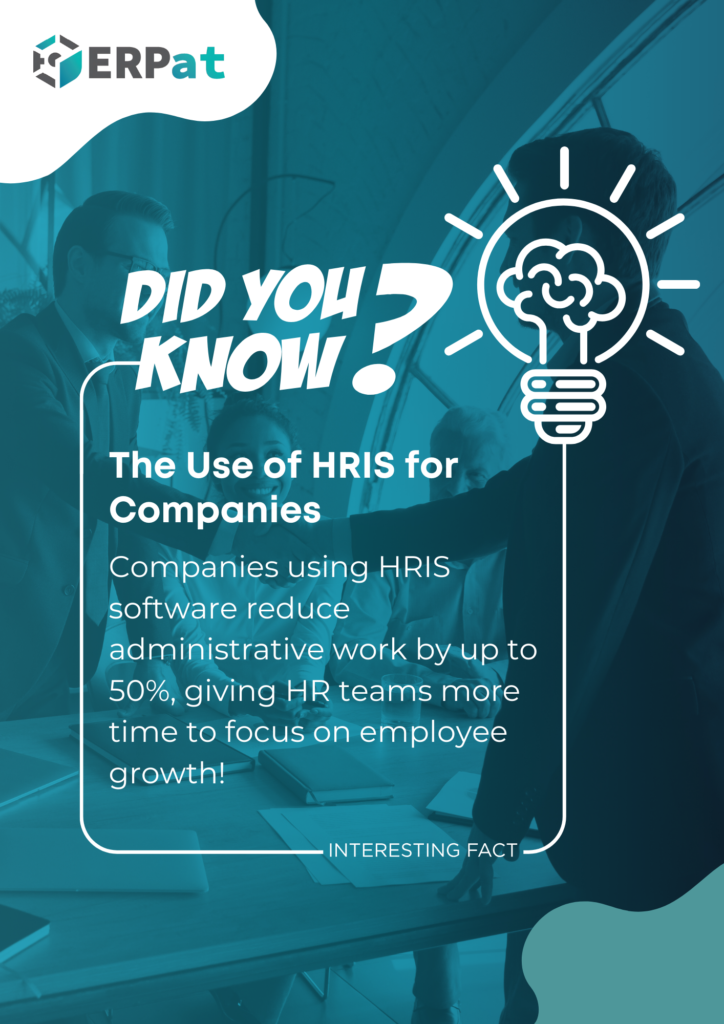
Companies that automate their HR processes can reduce payroll errors by up to 90% and save significant time on administrative tasks. HRIS systems help streamline everything from employee data management to compliance, enabling businesses to focus on growth while ensuring accuracy and efficiency.
A well-structured network enhances performance, security, and business growth. Invest in a scalable, high-performing infrastructure to power your digital future.

Sobrang dami kong natutunan gamit ang ERPat HRIS! Ang saya makita kung paano nakakatulong ‘to para mapabilis at maging mas organized ang lahat. Sobrang worth it!

Ang dali mag-adapt, at natutunan ko kung paano nakakatulong ang system sa pagpapabilis ng mga proseso. Talagang feel ko na may positive impact ito sa buong team!
Ready to streamline your HR management and empower your remote workforce? Discover how our advanced HR systems can enhance your processes, improve efficiency, and ensure compliance. Contact us today for a free demo and see how we can transform the way you manage your remote and hybrid teams. Don’t wait—optimize your HR strategy now!
HRIS implementation context
Use "The Key to Success: Building a Robust Network Infrastructure" to improve the employee workflow
HRIS articles become more valuable when the team connects the idea to a real employee journey: hiring, onboarding, scheduling, requests, approvals, records, reporting and self-service.
Part 1Employee moments to map
Start with the everyday work employees and HR teams repeat. Those moments reveal where a system should reduce friction.
- Onboarding records, employee profile updates and document collection
- Attendance, schedules, leave filing and approval requests
- Payslip access, benefit questions and HR announcements
Part 2Adoption details that matter
A good HRIS rollout is part process design and part change management. People need clear ownership and a reason to trust the system.
- Assign owners for data cleanup, approvals and employee questions
- Train managers on approval behavior, not only button clicks
- Keep employee self-service simple enough for repeat monthly use
Part 3Measures to track after rollout
The goal is not just digitization. The goal is fewer delays, clearer records and less back-and-forth.
- Time to complete onboarding or profile updates
- Number of HR requests handled without manual follow-up
- Accuracy and completeness of employee records before payroll cutoff
Jerome Evangelista
Content & Solutions Writer
Writes about payroll automation, HRIS, and how Philippine businesses run leaner with ERPat.